Doctor-Pig
Therapeutic Reflection
The Puppet and "Stage" Binder is a humanistic intervention designed to facilitate communication and education within a clinical pediatric setting. By introducing a "third party"—the doctor-pig puppet—the therapist can bridge the gap between the healthcare team and the young patient, translating complex medical language into a style that suits the child's demeanor.
Theoretical Application
Empowerment & Education: The primary goal is to ensure the patient is well-informed and possesses a safe medium to ask questions about their own care.
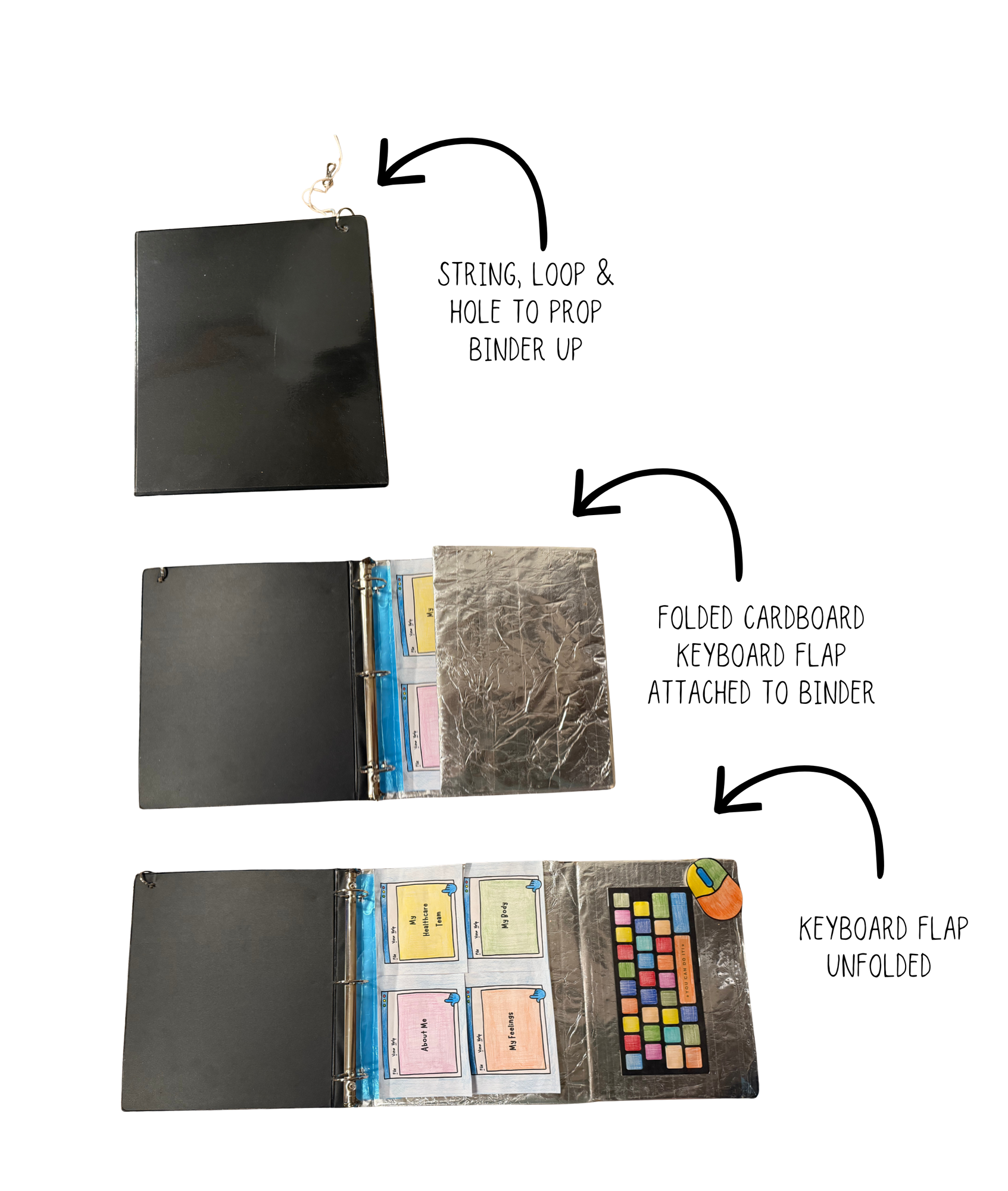
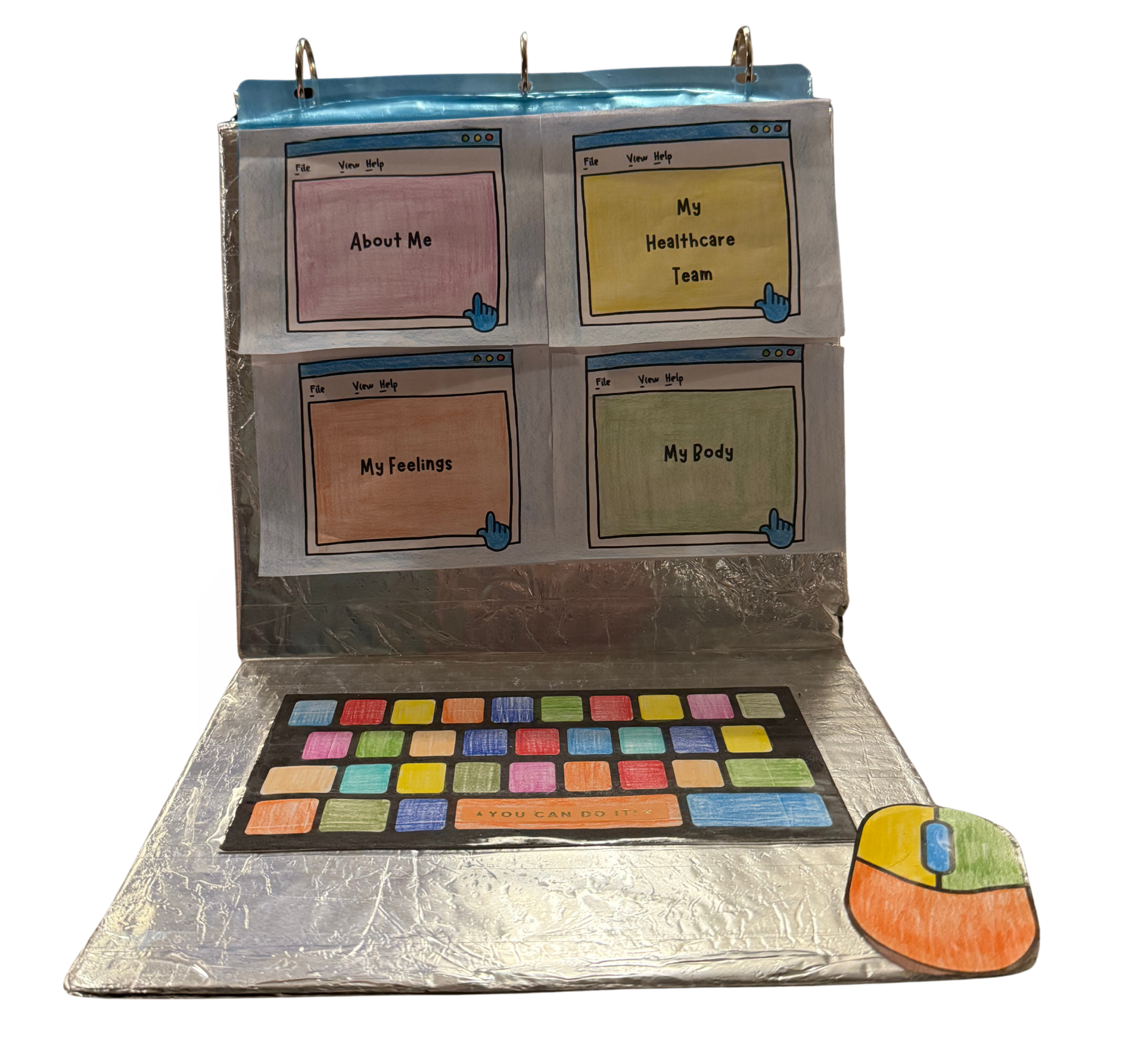
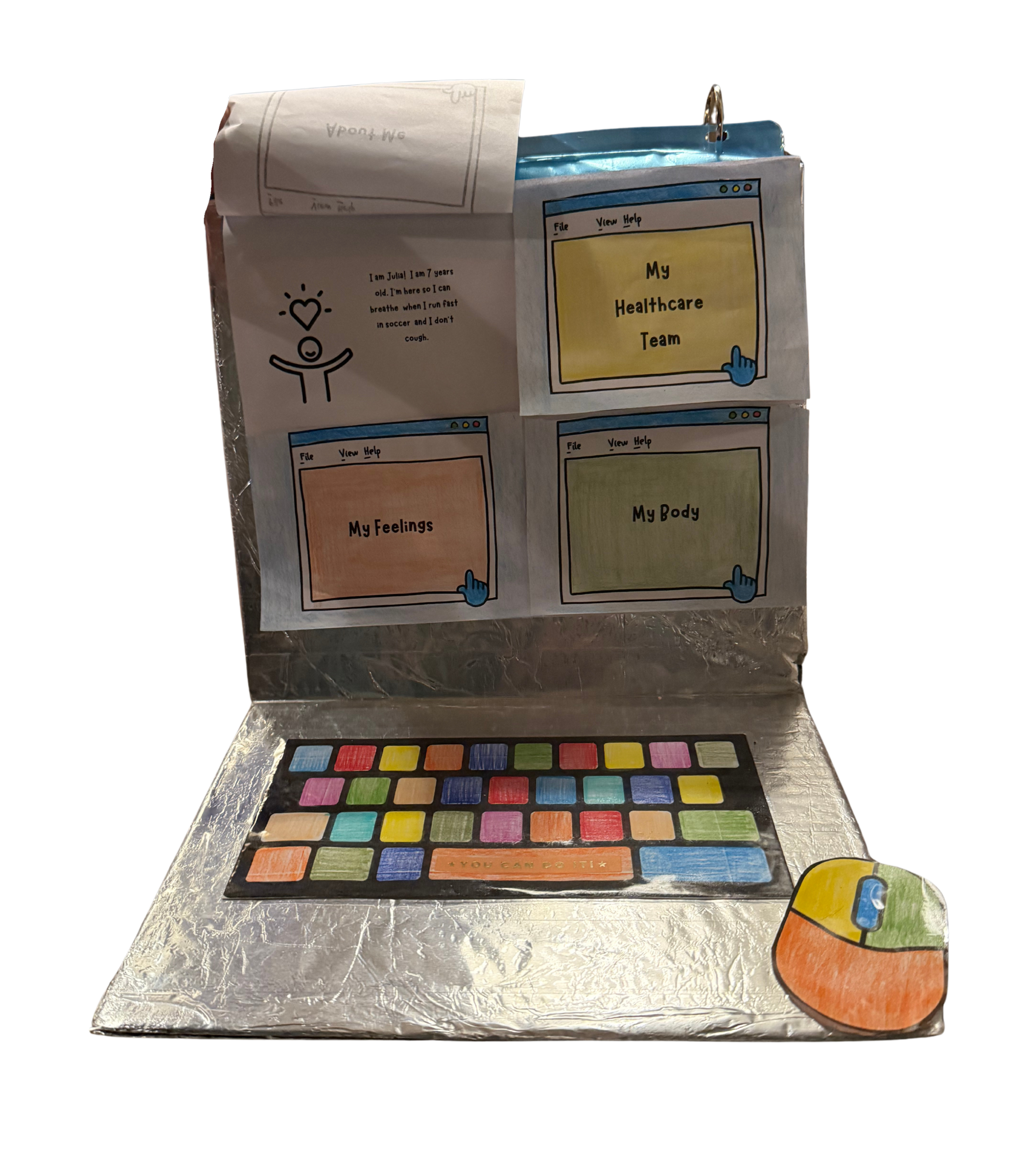
Narrative Organization: The "Stage" (a binder disguised as a craft laptop) functions as a central hub for medical records, appointment notes, and information sheets. This organization empowers both the child and the caregivers to actively manage the healthcare journey.
Relational Constancy: As the child builds a relationship with the puppet, it becomes a source of constancy and comfort, even when the therapist is not present.
Clinical Considerations
Maintaining Age-Appropriateness: While puppets are highly effective for children aged 2 to 8, the therapist must ensure the interaction is not condescending or patronizing. The puppet should be used as a peer-like communicator to deliver information in a style that suits the child's specific demeanor, rather than talking "down" to them.
Young Children (Ages 2–8): The puppet acts as a non-threatening peer for communication.
Neurodivergent Populations: The puppet can serve as a highly effective tool for engaging neurodivergent individuals of all ages.
Adolescents: For teens, the intervention shifts toward autonomy, using the binder as a secure, lockable place to store sensitive information.
Familiarity and Memorialization: To help acclimate to the medical environment, clients can be encouraged to create their own puppets using familiar hospital supplies. Utilizing items such as medical bracelets, socks, cotton balls, and plastic Tupperware allows the child to memorialize their stay and transform clinical tools into objects of comfort and agency.
Professional Boundaries: The puppet is a tool for engaging the client; it is contraindicated for use with the client's caretakers or guardians to maintain professional therapeutic boundaries.
Constancy and Rapport: As a relationship develops, the puppet serves as a source of constancy. Any qualified healthcare team member can use the puppet to maintain healthy communication, ensuring the child feels supported even when the primary therapist is not in the room.
Empowerment through Organization: The "Stage" binder should be treated as the client's personal property, allowing them (and their caregivers) to organize appointment notes and records, thereby fostering a sense of control over their own healthcare journey.
Artist Statement(s)
“The Doctor-Pig & Laptop Binder Stage”
By transforming a standard medical binder into a 'laptop stage' and a puppet into a 'doctor,' I am reclaiming the sterile clinical environment and turning it into a place of curiosity and play. This project was born out of a need to make medical experiences less intimidating. The puppet, a pig dressed as a doctor, was constructed from tactile materials like styrofoam, felt, and wool socks to provide a soft, approachable presence. The movement of the cardboard mouth allows the puppet to 'speak' directly to the child, while the addition of crooked wire glasses can add a sense of humor and humanity to a hectic hospital day.
The binder stage is designed to look like a laptop, complete with a craft keyboard and "computer screen" file tabs. These tabs are not just props; they are mini flip-books containing real information about the client's care. This duality allows the binder to function as both an entertainment center, with coloring pages and games, and a record-keeping.
Material Variation: In a hospital setting, puppets can be memorialized using accessible materials such as medical bracelets, cotton balls, and hospital socks.