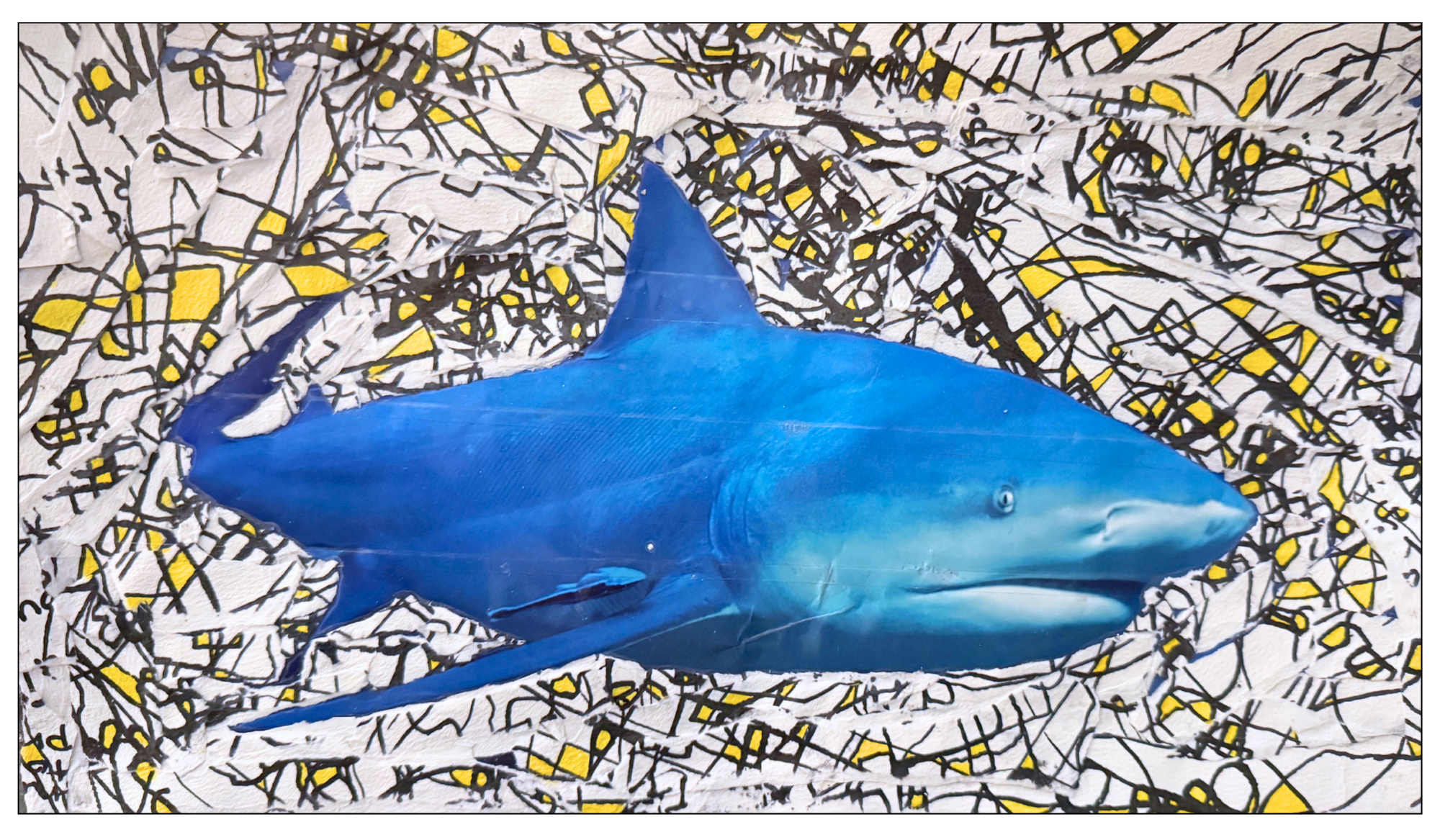
The Healing Flow
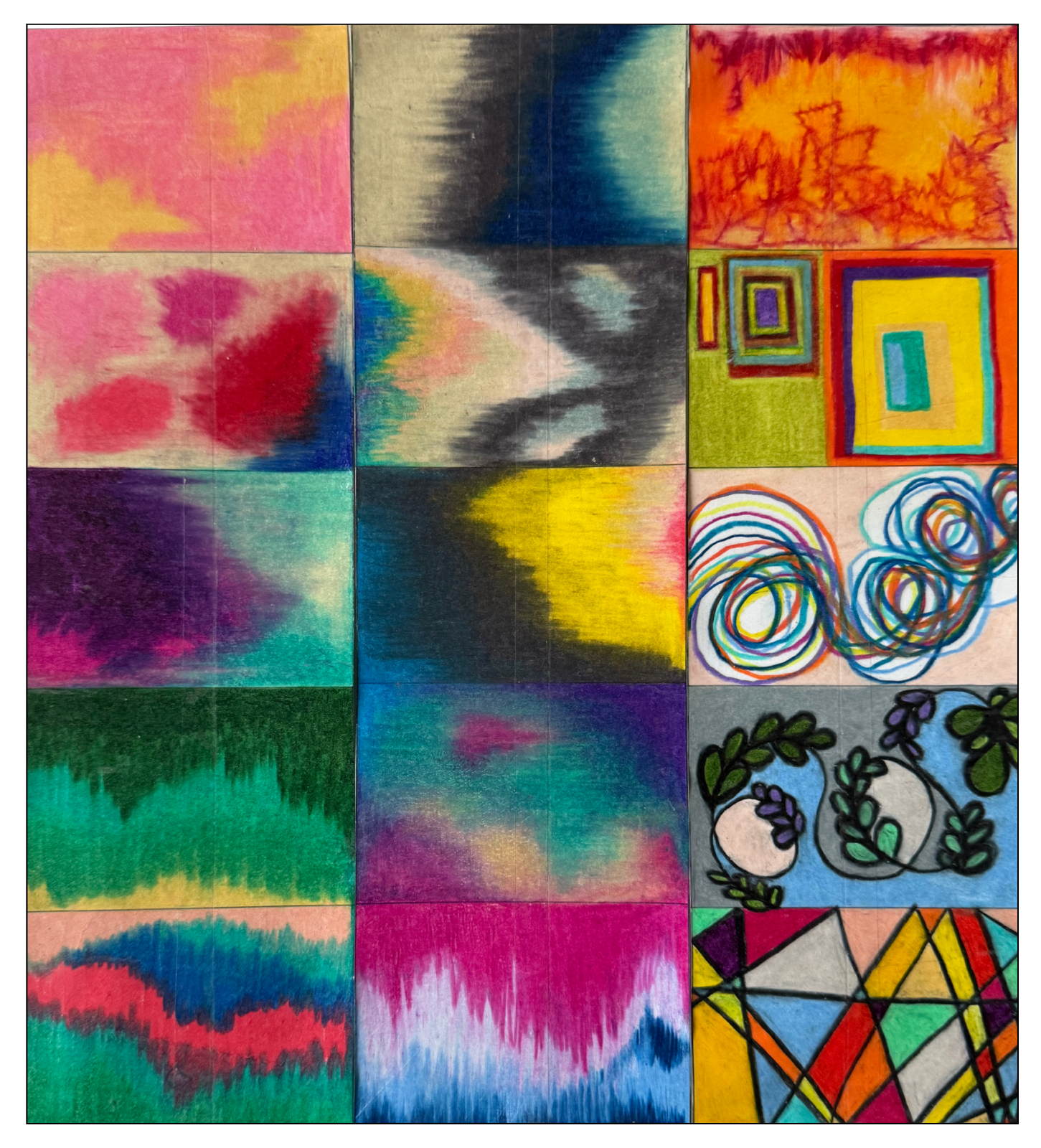
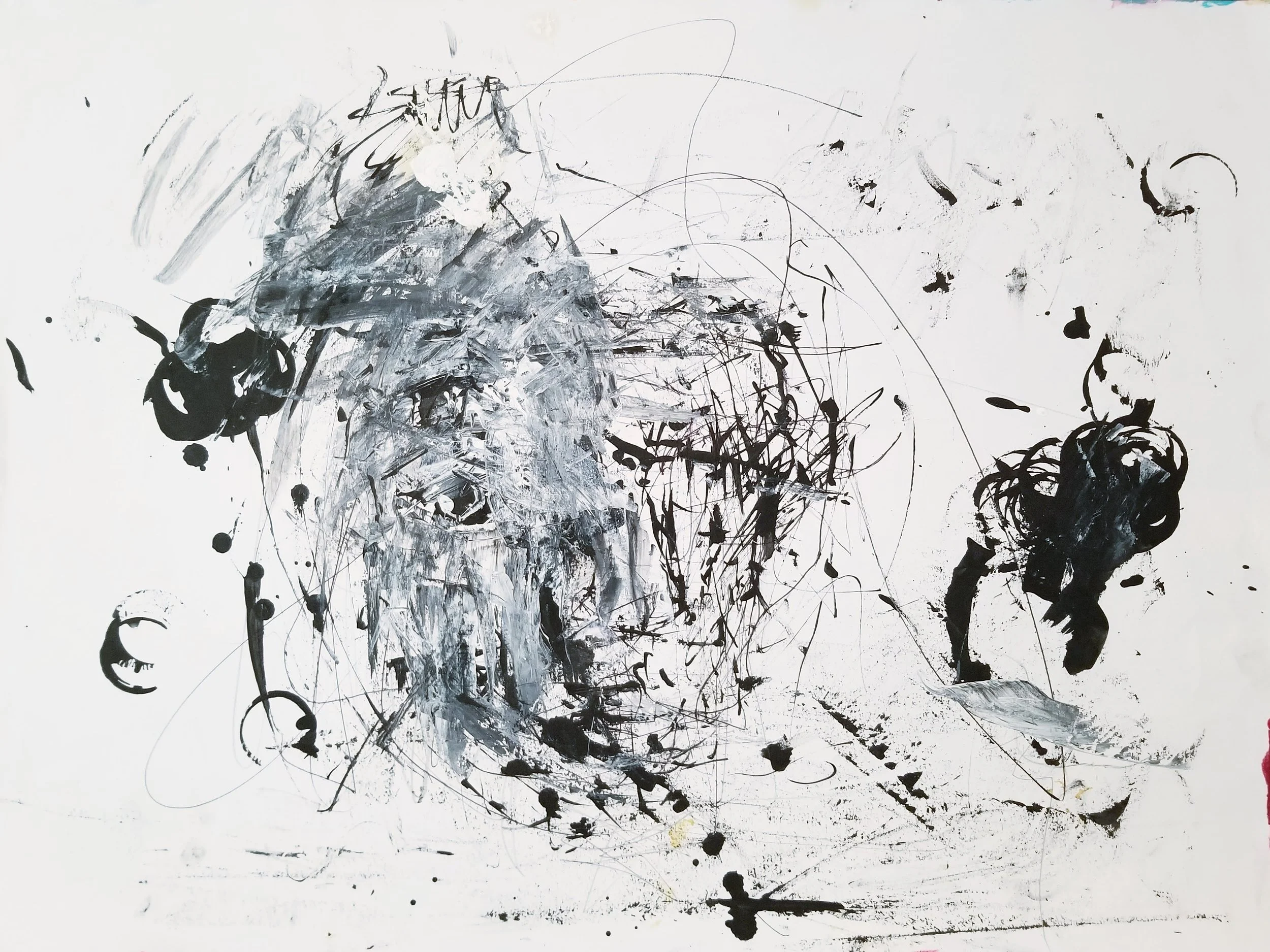
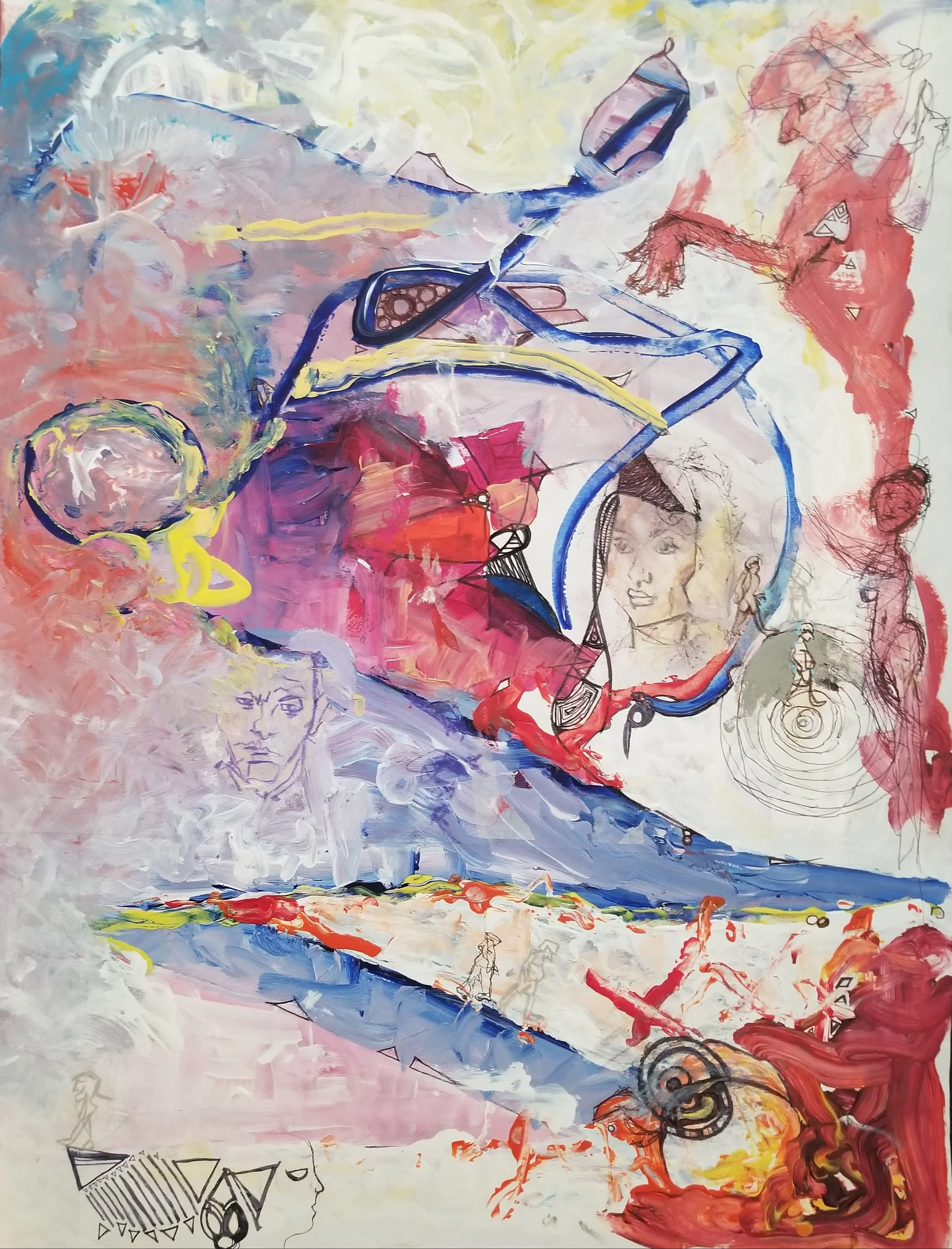
Therapeutic Reflection
The Contemplative Approach to process art prioritizes the individual's internal state over the work's resulting aesthetic. By focusing on movement, body awareness, and breathing, the therapist helps the client transition from a result-oriented mindset to a healing process.
Low-Pressure Environment: The use of daily coloring exercises and "minicompositions" helps establish a routine in which the client can regularly set mindful intentions.
Release of Expectations: This practice encourages the release of preconceived "rules" about art-making, effectively minimizing self-judgment.
Organic Experience: The absence of a timed or defined "result" eliminates pressure, allowing for a more natural and organic therapeutic experience.
Theoretical Application
This intervention is rooted in Mindfulness-Based Art Therapy and Process Art, emphasizing the somatic experience of creation.
Somatic Movement and Fluidity: Gestural linework serves as a vehicle for body awareness. The use of markers provides a constant ink source, allowing the client to focus solely on movement rather than on the technical decisions involved in medium management.
Deconstruction as Growth: The act of ripping or shredding the work can be reframed as a "collection" mode of gathering information, while repurposing those pieces into a new form serves as a "construct" exercise in problem-solving.
Automatic Mindfulness: By engaging in repetitive or free-flowing mark-making, the client enters a state of "flow" where the hand moves freely, mirroring the rhythm of their nervous system.
Clinical Considerations
Medium Selection: Markers are recommended over pencils or crayons for contemplative work because they do not require much pressure, which can be linked to frustration or anxiety. Sharpie markers are ideal for preventing smudging as the hand moves, and thick paper prevents bleed-through.
Comparison and Judgment: Group contemplative exercises may inadvertently trigger social comparison. The therapist must emphasize that the "art" is not the goal and that the meditative state will look different for everyone.
Accessibility: A daily coloring exercise can be kept in a "daily coloring box" on a nightstand. Providing small squares, colored pencils, and a handheld sharpener makes the practice approachable for morning reflection or nighttime relaxation.
Process Limitations: While paint allows for sweeping movements, the need to re-wet a brush or mix colors can be a distraction from the soothing, consistent flow required for this specific approach.
Artist Statement(s)
“The Healing Flow”
By letting go of the need to create aesthetically pleasing art, I found a healing rhythm in the simple movement of a marker across the page, eventually finding structure even in the pieces I had torn apart. This process began with soothing music and a focus on breath, allowing my hand to create monochromatic, gestural lines without the pressure of emotion or compensation. When I initially compared my raw work to others', I felt self-judgment that led me to shred the page.
However, I realized that deconstructing the work was part of my journey. By ripping the paper into strips, I moved into a "collect" mode. I then reintegrated these pieces with the image of a lemon shark—a subject that resonated with my state of flow—to bring context and focus to the original fluidity of the exercise. This transformation taught me that even a "failed" attempt is meaningful material for construction.