In My Pocket
Therapeutic Reflection
The Gelli Print Pockets intervention is a humanistic Printing & Stamping exercise designed to help clients organize thoughts and feelings through the metaphor of abundance and scarcity. By utilizing Unconditional Positive Regard (UPR), the therapist encourages the client to find meaning even in "unsuccessful" or "failed" prints, fostering a non-judgmental space for self-discovery.
Theoretical Application
Humanistic Self-Regulation: The rhythmic nature of Gelli printing serves as a grounding exercise, helping clients define universal human needs and identify the physical and emotional sensations tied to them.
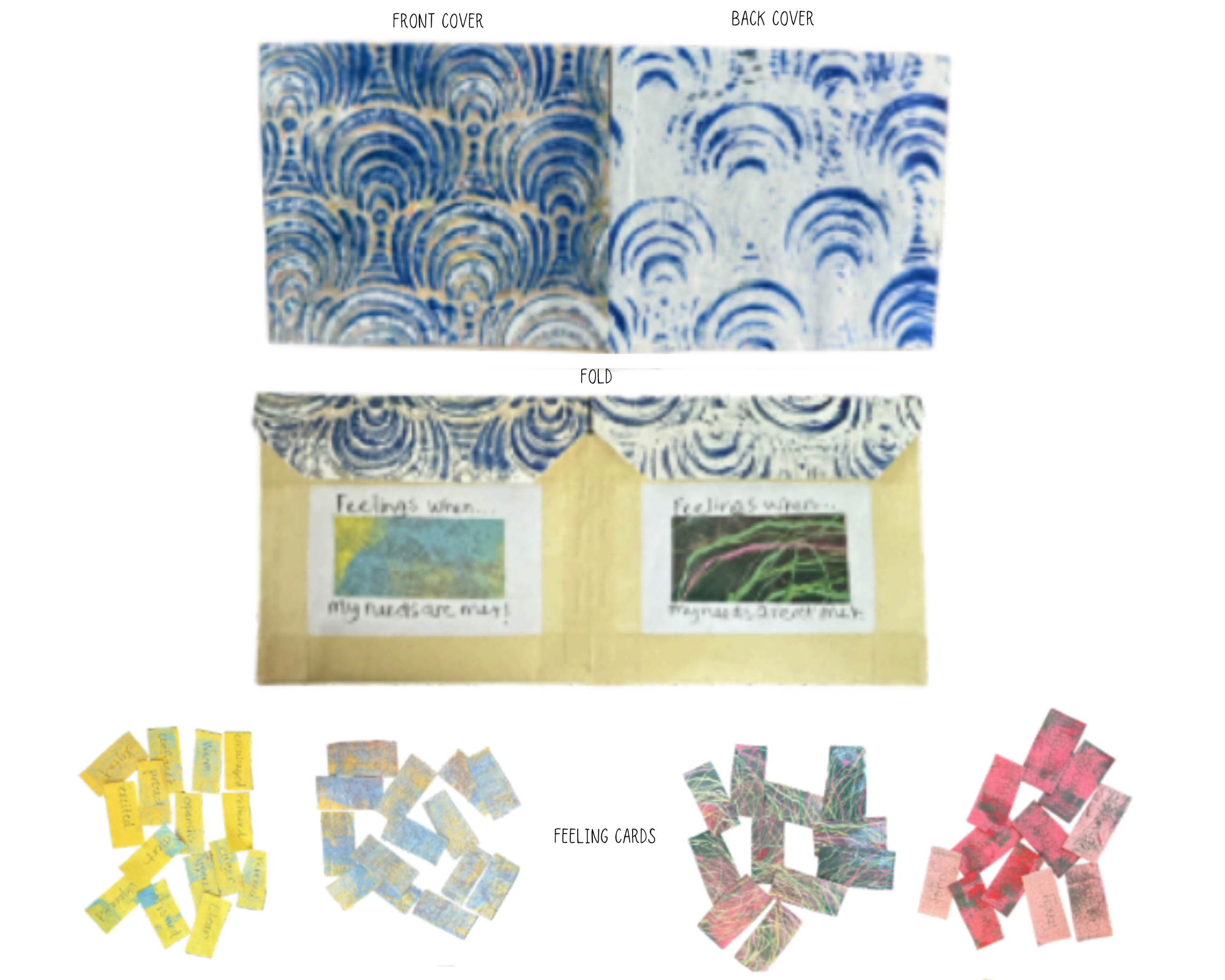
Emotional Categorization: The creation of physical "pockets" provides a tangible structure for organizing complex emotions, specifically distinguishing between feelings when needs are met versus when they are not.
Cognitive Accessibility: This method is particularly effective for clients with attention difficulties or anxiety, as it offers a quick, multi-sensory way to identify and verbalize internal states.
Clinical Considerations
Sensory and Tactile Sensitivities: Because Gelli printing involves acrylic paint and potential "messiness," it may not be suitable for clients with tactile defensiveness or sensory processing disorders who are averse to getting paint on their hands.
Cognitive and Attention Factors: While this is a "quick method" beneficial for those with attention difficulties, the multistep assembly of the folder (folding, cutting, stapling, and taping) may require simplified instructions or therapist assistance for clients who struggle with complex sequencing.
Emotional Safety: The humanistic focus on "unsuccessful prints" requires a baseline level of ego awareness. Clients in an acute state of self-criticism may initially struggle with the directive to celebrate and label a "failed" attempt.
Artist Statement(s)
“In My Pocket”
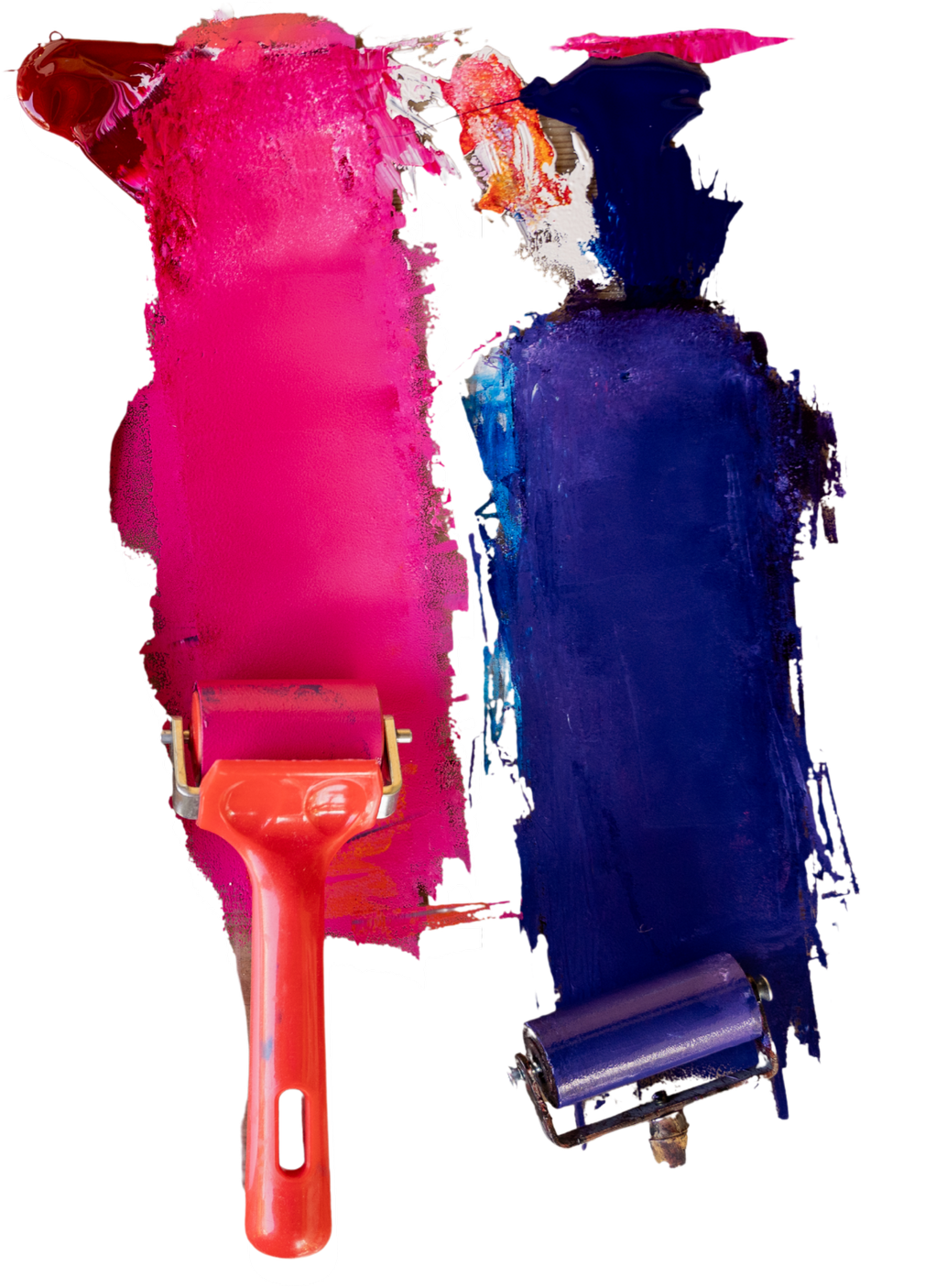
Through the repetitive transfer of paint, I have created a container for my own awareness—transforming what I once saw as 'failed attempts' at the printing process into a visual representation of my unmet needs. In this project, I used the Gelli printing process to explore the concepts of abundance and scarcity. I intentionally experimented with different amounts of paint: using the last of a tube to represent the feeling of being spread too thin and using thick, vibrant layers to represent fulfillment. These prints were then transformed into two distinct pockets.
The "successful" printed pocket holds strips representing emotions like joy, peace, and confidence—feelings that arise when my needs for nurturance, safety, or autonomy are met. The "less successful" pocket contains emotions such as gloom, agitation, and overwhelm, which signal a lack of balance or unmet universal needs. This can be used as a therapeutic tool for problem-solving that I can return to whenever I feel "out of sync" with my own internal state.